Meet Your Trainer
Jennifer Goodwin
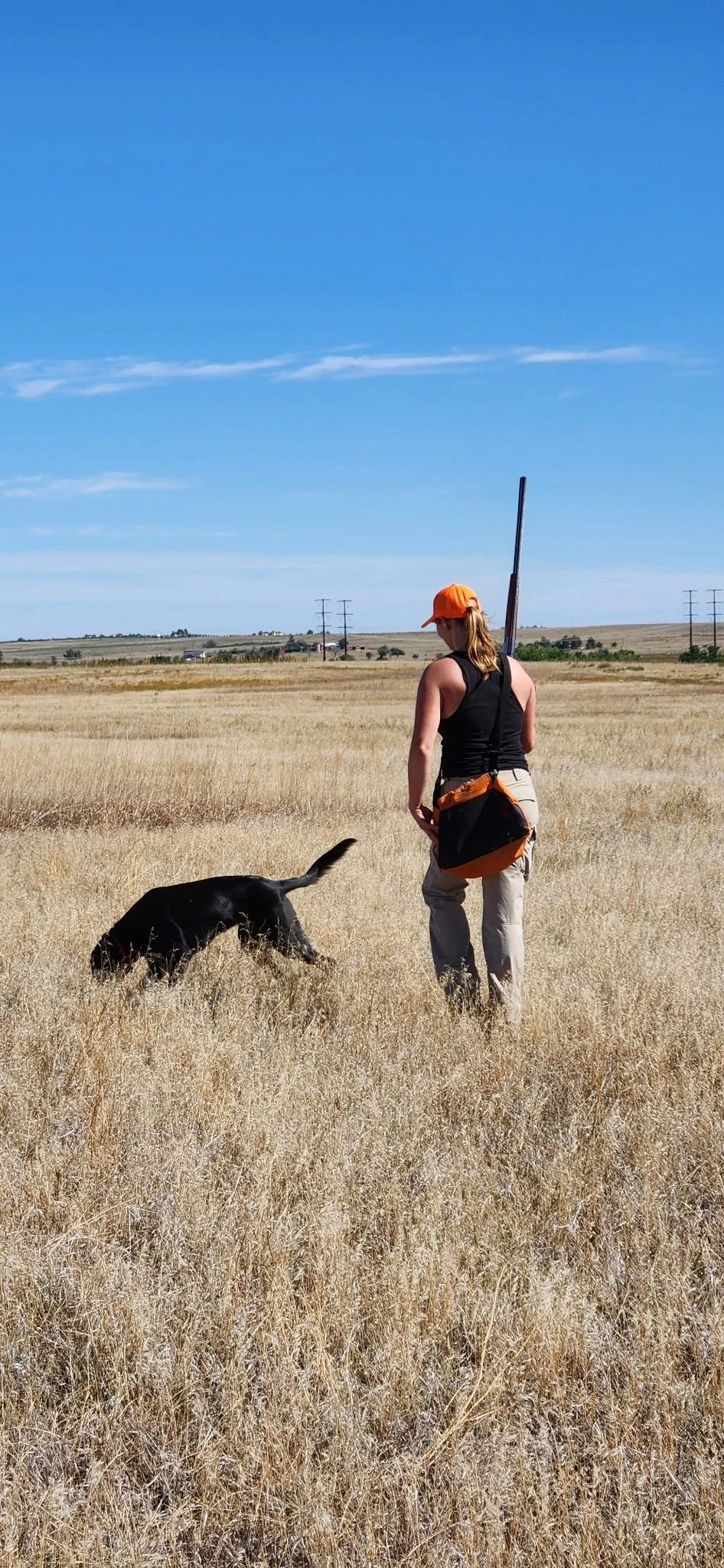
Ever since she was little Jennifer dreamed of being a dog trainer. At the age of seven her parents gave her the best gift of her life, a golden retriever labrador mix puppy named Jake. For the next thirteen years, Jake was not only her best friend he fueled her addiction to dogs and her love of the outdoors. In 2019, Jennifer began volunteering at a training facility and in 2021 she became a fulltime trainer. Since then, she has worked hard to grow her skills and give every client that comes her way the tools they need to succeed.
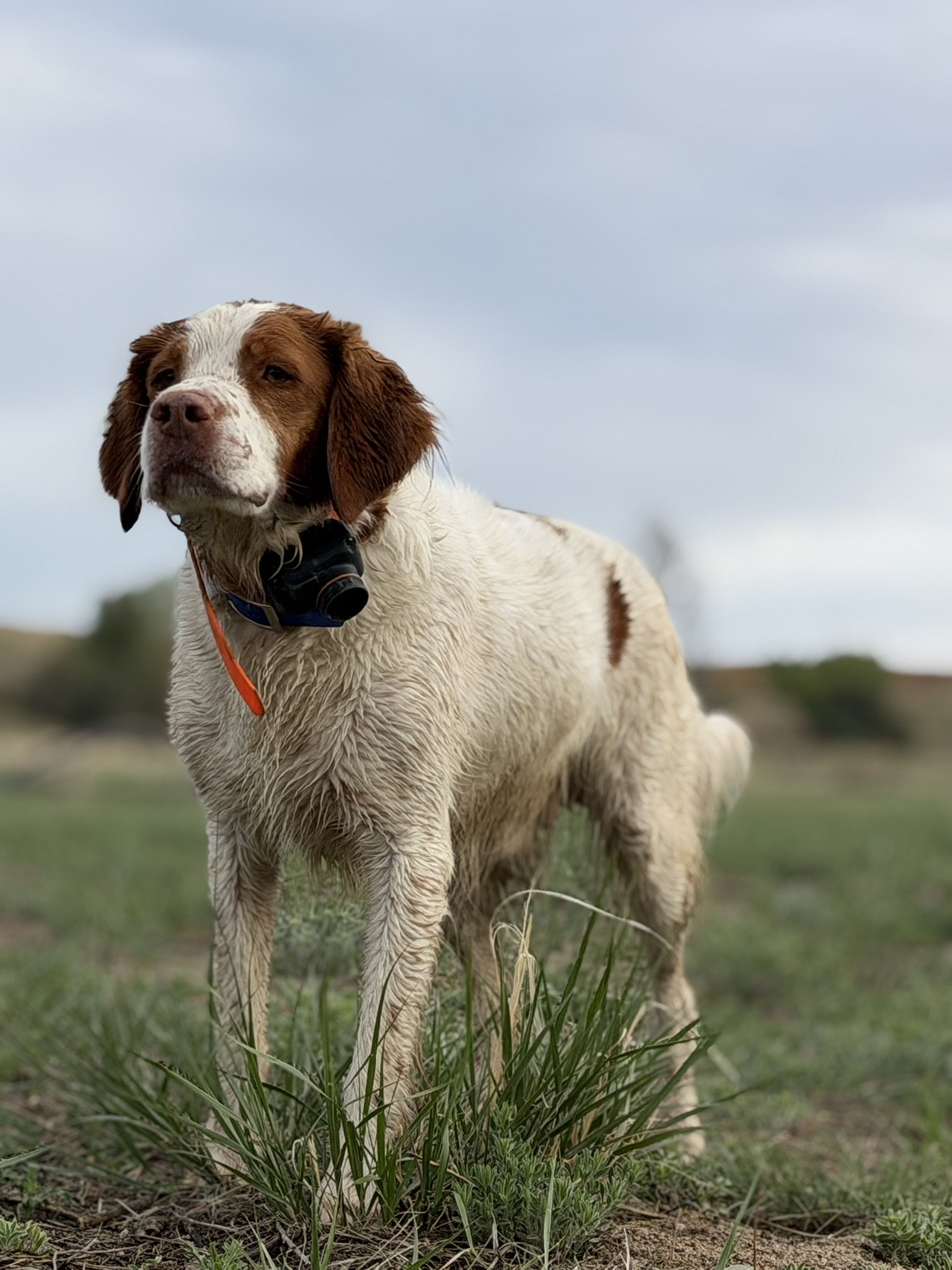
Her background stands strong in upland hunting and obedience, though she also trains waterfowl basics. She’s experienced with a variety of different breeds, from pointers to flushers to hounds and more, and has helped many clients pass AKC and NAHVDA tests. Some of her favorite cases are first time birddog owners who feel in over their heads, new hunters excited to learn, and specialty cases such as dogs that are gunshy. She also has a soft spot for rescues, though she agrees nothing beats a well bred dog.
Her strength as a trainer lies in her patience and in breaking down the big picture into manageable, bite sized pieces that help both people and dogs build their partnership together. Everything Jennifer does is fueled by passion which is where the name passio comes from. When she’s not out in the field training, Jennifer is working on her writing, traveling, or flying airplanes.
“When you give a dog something to do, you’re not just giving him a job. You’re giving him a purpose.”
“In aviation they say a good pilot is never done learning. Neither is a good trainer. ”
Dog Training Ten Commandments
1. Don’t train when feeling negative emotions
Feeling angry? Frustrated? Bad day at work? Probably not the best time to get out the slip lead and e-collar. Its okay to skip a session.
2. Patience is a Virtue
Your dog doesn’t speak English. In fact, he’ll pick up on body language and context of a situation before he starts comprehending your verbal commands. If something isn’t working and you find yourself losing patience, take a breath and reevaluate how you are communicating.
3. BE CONSISTANT
Notice the all caps? Thats because I can’t stress this one enough. Every time you interact with your pup, you are teaching her something. Whether its positive, negative, or neutral. If you want your dog to understand your rules and boundaries, make them clear with every interaction.
4. Communicate like a dog, not a human
No, you don’t have to tackle your high energy dog and bite his ear. But don’t speak English to your dog and expect him to understand! Understanding how to communicate clearly will be the key to your success.
5. Thou shall not have expectations
One thing my mentor drilled into me was to never have expectations. Not for what your dog will do in a particular training session, nor for how a hunt will go. Dogs have bad days too and progress is never a straight line up. Expectations are the fastest route to disappointment when something doesn’t go how you expected it to. Instead focus on controlling what factors you can to set everyone up for success, and have grace in your heart when things don’t go according to your plan.
6. Take training at your dog’s pace, not your own
I know I know, it’s easy to see where you want to be instead of where you are, but not every dog can handle twenty minutes of drilling commands. Each dog is different, so don’t be married to a particualr strategy just because it worked with your last dog, or because its working with the dog you saw on a youtube channel. Pay attention to your dog during training, and she will let you know when soemthing is working, or when something is not. All the information you really need is right in front of you. It might take a few sessions before she is ready for the next steps, and that’s okay! Enjoy the journey.
7. Start small and build into commands
I could say so much about this, but instead I’ll leave you with this; if you can’t get your dog to do it two feet away from you consistently, don’t ask for it five feet away!
8. Keep sessions short
Your dog will retain the most in five to fifteen minutes. Better to train ten minutes three times a day then a full straight hour.
9. Allow your dog time to be a dog
All that brain work and no play makes Johny a dull boy, or something like that. But seriously, only taking your dog out for structured time is like not allowing a kindergartener recess.
10. Training should be fun
Enjoy it! Having a dog is an opportunityfor a special bond whether you intend to hunt the wild fields of the Dakotas or you just want a dog that listens well off leash.
Questions?
I’m here to help! Lets discover if we are a good fit